Get Personalized Quote Now. Call: +94 70 228 9167

Sri Lanka Digital Nomad Visa 2026 – Stay Duration, Costs & Complete Guide

Sri Lanka Digital Nomad Visa 2026 – How Long You Can Stay, Costs & Tips
Remote work has changed the way people travel. If you’re dreaming of working from tropical beaches, misty mountains, and vibrant cultural towns, Sri Lanka is positioning itself as one of Asia’s most exciting digital nomad destinations.
In this complete 2026 guide, we explain how the Sri Lanka Digital Nomad Visa works, how long you can stay, what it costs, and practical tips before you apply.
What Is the Sri Lanka Digital Nomad Visa?
The Sri Lanka Digital Nomad Visa (also referred to as the remote work visa) allows foreign nationals to live in Sri Lanka while working remotely for companies or clients outside the country.
This visa is designed for:
- Remote employees
- Freelancers
- Online business owners
- Entrepreneurs with foreign income
It is especially attractive for travelers who want an affordable long-stay destination in Asia.
How Long Can You Stay in Sri Lanka as a Digital Nomad?
Under the 2026 framework:
- Initial stay: Up to 1 year
- Possible extension: Subject to approval
- Multiple entry: Yes (depending on visa type)
- This is significantly longer than the standard tourist ETA, which typically allows 30 days (extendable).
If you are planning a long-term stay in Sri Lanka — especially during the European winter — this visa offers flexibility and stability.
What Are the Requirements?
While final requirements may vary, applicants typically need:
- Valid passport (minimum 6 months validity)
- Proof of remote employment or business ownership
- Proof of income (minimum threshold may apply)
- Health insurance coverage
- Clean criminal record
- Accommodation details in Sri Lanka
It is important to show that your income comes from outside Sri Lanka.
How Much Does the Sri Lanka Digital Nomad Visa Cost?
Costs can vary depending on nationality and duration. Expected expenses may include:
- Visa processing fee
- Annual visa fee
- Health insurance
- Document preparation
Compared to European long-stay visas, Sri Lanka remains one of the more affordable remote work destinations in Asia.
Why Sri Lanka Is Perfect for Digital Nomads in 2026
1. Affordable Cost of Living
Compared to Europe, living costs in Sri Lanka are significantly lower. Accommodation, food, and transport are budget-friendly while maintaining good quality.
2. Fast Growing Co-Working Spaces
Cities like Colombo, Weligama, and Ella are seeing a rise in digital nomad communities.
3. Diverse Work Environments
You can:
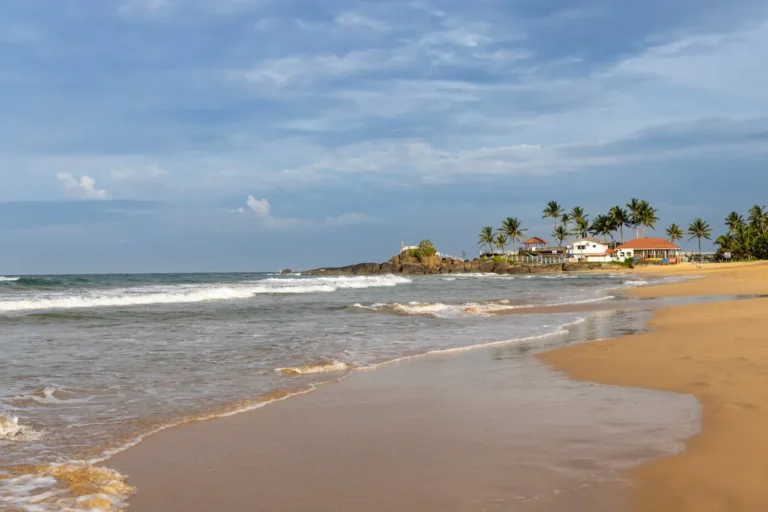
- Work from beach cafés in the south
- Stay in cool climate hill country towns
- Live in modern apartments in Colombo
4. Strong Internet in Major Areas
Fiber internet and 4G/5G connectivity are widely available in urban and tourist areas.
Best Places in Sri Lanka for Digital Nomads
Colombo
Modern apartments, business hubs, international restaurants.
Weligama & Mirissa
Perfect for surfers and beach lovers.
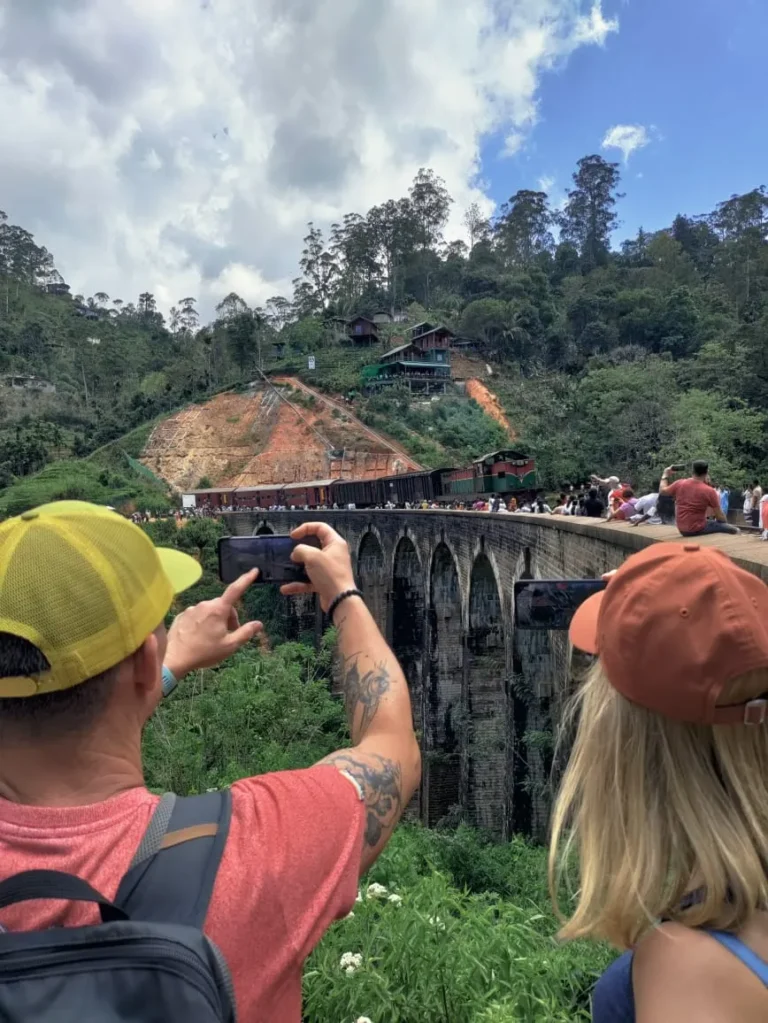
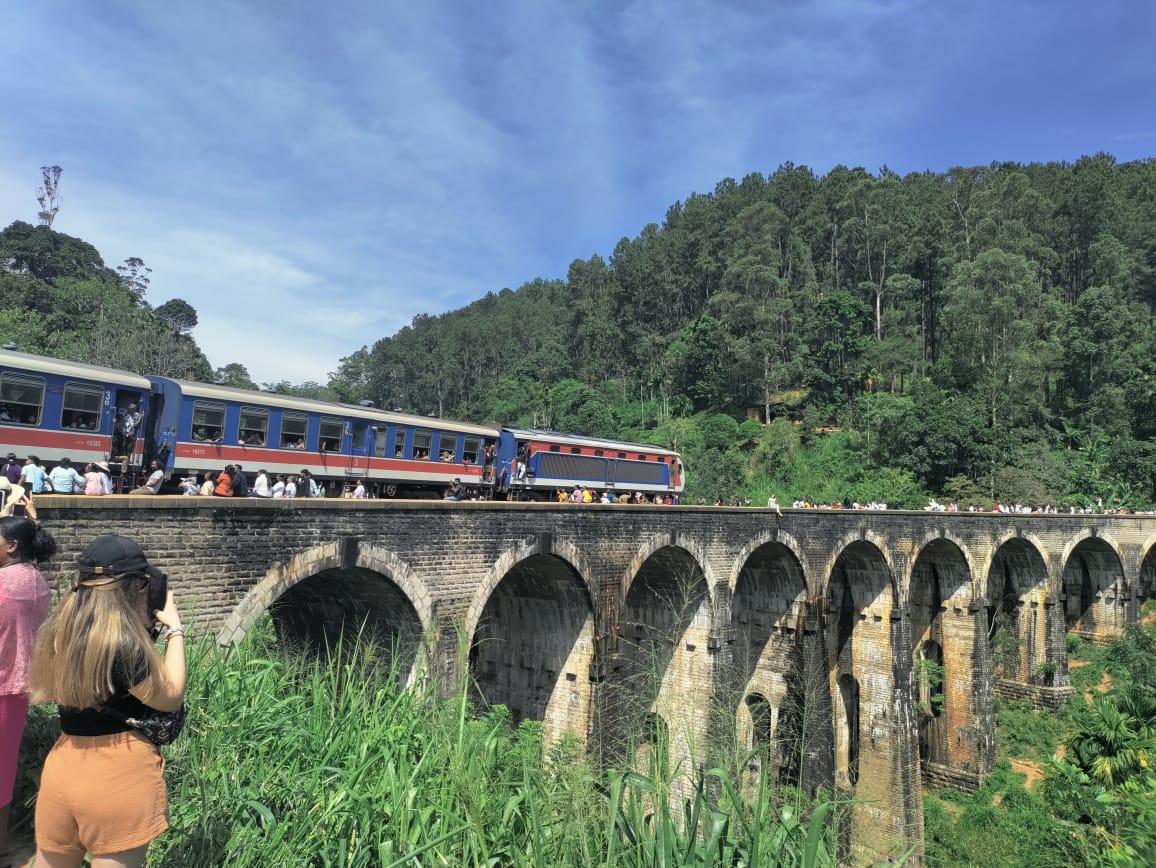
Ella
Cool mountain weather, relaxed lifestyle, scenic views.
Kandy
Cultural city surrounded by nature.
Cost of Living in Sri Lanka for Digital Nomads (Estimated 2026)
| Expense | Monthly Estimate (USD) |
|---|---|
| Apartment (mid-range) | $400 – $800 |
| Food & groceries | $200 – $400 |
| Transport | $50 – $150 |
| Co-working space | $100 – $200 |
| Total | $800 – $1,500 |
Lifestyle choices can significantly change these numbers.
Check our full breakdown of Sri Lanka travel costs before planning your stay
Important Tips Before Applying
✔ Check the Latest Visa Regulations
Rules can change. Always confirm through official sources or a licensed travel operator.
✔ Choose the Right Region Based on Season
Sri Lanka has two monsoon seasons. When the south is rainy, the east coast is usually sunny.
✔ Plan Your Accommodation in Advance
Long-term rentals are cheaper than short tourist stays.
✔ Consider Health Insurance
International coverage is highly recommended for long stays.
Digital Nomad vs Tourist Visa – What’s the Difference?
| Tourist Visa | Digital Nomad Visa |
|---|---|
| Short-term stay | Long-term stay |
| Limited extensions | Designed for extended living |
| Tourism only | Remote work allowed |
| Lower fee | Higher but flexible |
If you plan to work remotely legally and stay long-term, the Digital Nomad Visa is the better option.
Is Sri Lanka Safe for Remote Workers in 2026?
Tourism has stabilized significantly, and major tourist areas are considered safe. As always:
- Avoid political gatherings
- Follow local travel advisories
- Use registered transport providers
Sri Lanka remains one of South Asia’s most welcoming destinations.
Frequently Asked Questions (FAQ)
Can Indians apply for the Sri Lanka Digital Nomad Visa?
Yes, Indian nationals can apply if they meet income and documentation requirements.
Can Malaysians stay long-term in Sri Lanka?
Yes, Malaysians can apply under the digital nomad or long-stay visa categories.
Do Europeans need a visa to work remotely in Sri Lanka?
Yes. A tourist visa does not legally allow remote work; the Digital Nomad Visa is recommended.
Is Sri Lanka cheaper than Thailand or Bali?
In many areas, yes — especially for accommodation and food.
Final Thoughts – Is It Worth It?
If you’re looking for a tropical destination with culture, affordability, nature, and growing digital infrastructure, Sri Lanka is one of the most promising digital nomad destinations in Asia in 2026.
From beaches to mountains within hours, few countries offer this level of diversity in such a compact space.
You can also read our detailed guide on the best time to visit Sri Lanka.
If you need assistance with visa processing, long-stay planning, or a customized Sri Lanka itinerary, our team at Sunspire Holidays is happy to help or you can directly visit Sri Lanka Immigration Department (official site)